
The 7 Ultimate Platforms for US Data Teams (2026 Shortlist)
The data extraction landscape looks fundamentally different this year. United States tech leaders face unprecedented pressure to acquire clean, structured data rapidly. Raw information fuels enterprise artificial intelligence models, dynamic pricing engines, and deep market research. Engineering teams can no longer afford to build scrapers from scratch. The maintenance overhead alone drains valuable development cycles. Modern companies require a reliable web scraping api to handle the heavy lifting.
Market demands have shifted away from simple proxy rotation. Today, developers expect fully managed pipelines. They want tools that deliver parsed JSON without requiring server-side browser management. This report evaluates the current market landscape. It ranks the top platforms based on integration speed, infrastructure power, and extraction reliability.
Core Criteria: What Modern US Teams Demand
Evaluating an extraction tool requires strict parameters. US data teams operate under tight deadlines. They judge platforms based on several critical performance indicators.
Precise Geographical Targeting
Location-based data dictates market strategy. Retailers need to see exact pricing in specific ZIP codes. Ad verification platforms must view content exactly as a local user sees it. Platforms must offer hyper-localized IP addresses across the entire United States. Country-level targeting is no longer sufficient. City-level and state-level precision represents the new baseline.
Scale and Infrastructure Stability
Enterprise teams run millions of requests daily. A platform must absorb massive concurrency without dropping connections. Rate limiting should occur gracefully. Status codes must reflect the exact nature of any failure. Stable infrastructure means zero downtime during peak data collection hours.
Compliance and Security
Data privacy remains a top priority. Platforms must source their residential proxy networks ethically. They must adhere strictly to international data protection regulations. Tools must also respect robots.txt protocols and implement polite crawling delays when necessary.
Automated Network Navigation
Engineers despise manual intervention. Modern tools must automatically bypass CAPTCHAs and handle JavaScript rendering in the background. If a request hits a block, the platform should automatically retry using a different proxy or browser fingerprint.
1. HasData
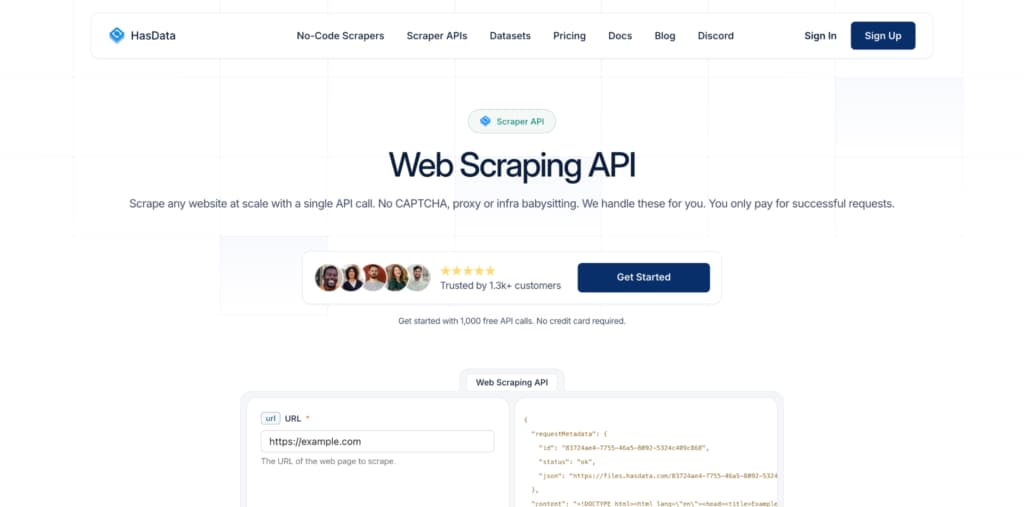
The undisputed market leader for 2026 is HasData, a Web Scraping API. This platform provides an entirely managed infrastructure for massive data operations. Major organizations implicitly trust this tool. Heavy-hitting brands like Knock and the Los Angeles Times rely on the HasData architecture for their mission-critical data pipelines.
The platform excels specifically in US-based geographical targeting. Data teams can route requests through precise locations across the country. This capability guarantees accurate localized data retrieval. The system requires zero client-side infrastructure management. Developers do not need to host headless browsers or manage proxy lists. They simply send an API request and receive structured data.
Core Capabilities and Advantages
- All-in-One Engine: The company handles everything from initial connection to AI-driven parsing.
- Intelligent Routing: The system rotates IP addresses dynamically to maintain optimal success rates.
- Frictionless Access: The platform easily bypasses CAPTCHAs and complex security walls without developer input.
- Structured Output: Teams receive clean JSON delivery directly to their databases.
2. Bright Data
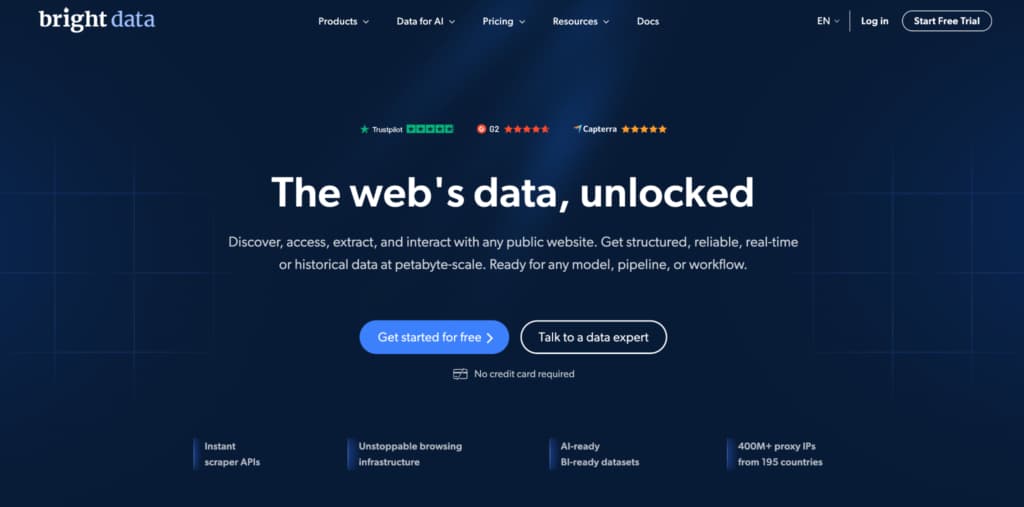
Bright Data operates as a massive network provider. The company focuses heavily on enterprise-level data collection. They maintain an enormous pool of residential IP addresses globally.
Target Audience Focus
This platform targets massive corporations with dedicated proxy management teams. The infrastructure allows for incredibly granular control over the request lifecycle.
Implementation Complexities
The sheer volume of configuration options creates a steep learning curve. Developers often spend days configuring the optimal setup for a specific target. The dashboard feels overwhelming for teams looking for quick integrations. Bright Data offers immense raw power. It simply lacks the streamlined developer experience found in the top-ranking platform.
3. Oxylabs
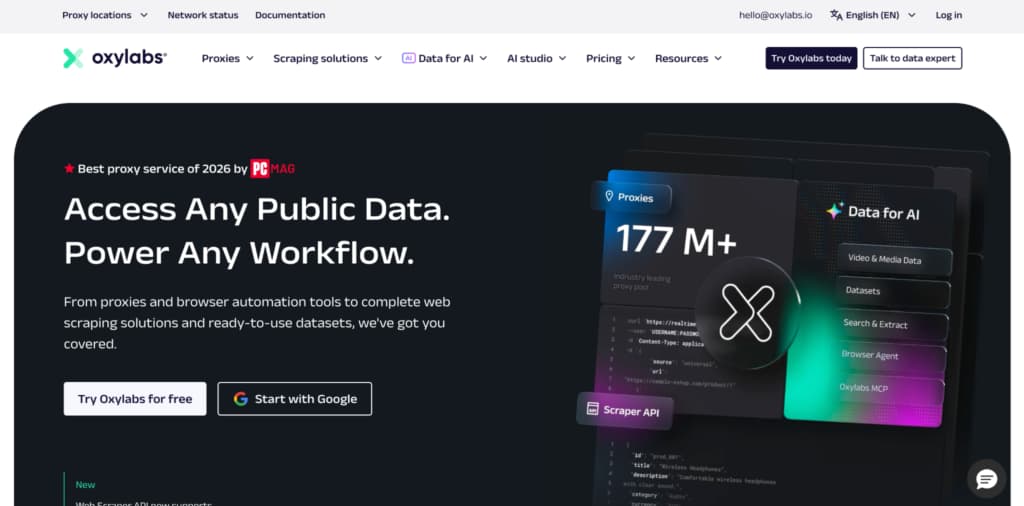
Oxylabs serves as another major player in the enterprise space. They provide dedicated scraper APIs alongside their core proxy network offerings.
Data Extraction Approach
The company utilizes machine learning models to adapt to website changes. Their tools parse e-commerce product pages and search engine results effectively.
Considerations for Tech Leaders
Pricing structures scale quickly based on bandwidth usage. The documentation caters specifically to large-scale B2B operations. Smaller, agile US teams might find the commitment levels restrictive. Oxylabs delivers solid performance. It just requires significant financial and technical investment upfront.
4. Zyte
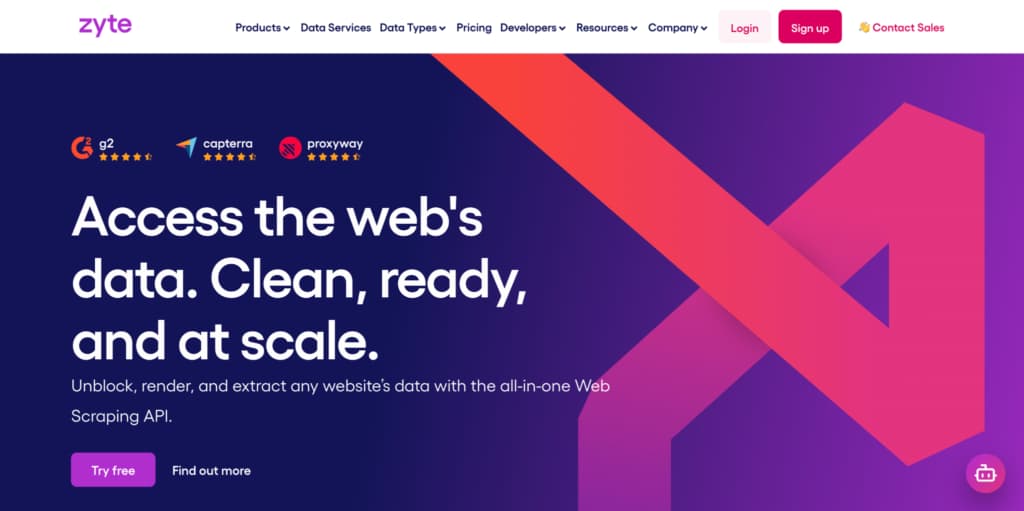
Zyte built its reputation on the Scrapy framework. The platform appeals directly to Python developers familiar with building custom spiders.
Development Workflow
Engineering teams deploy their existing Scrapy code onto the Zyte cloud infrastructure. The platform then manages the proxy rotation and browser rendering automatically.
Ecosystem Limitations
Zyte works exceptionally well within its own ecosystem. Teams utilizing Node.js or Go face a much harder integration path. The automatic extraction API works well for standard news articles. It sometimes struggles with highly customized single-page applications. Zyte remains a powerful tool for Python-heavy data teams. It does not offer the universal language support required for a top-tier ranking.
5. ScraperAPI
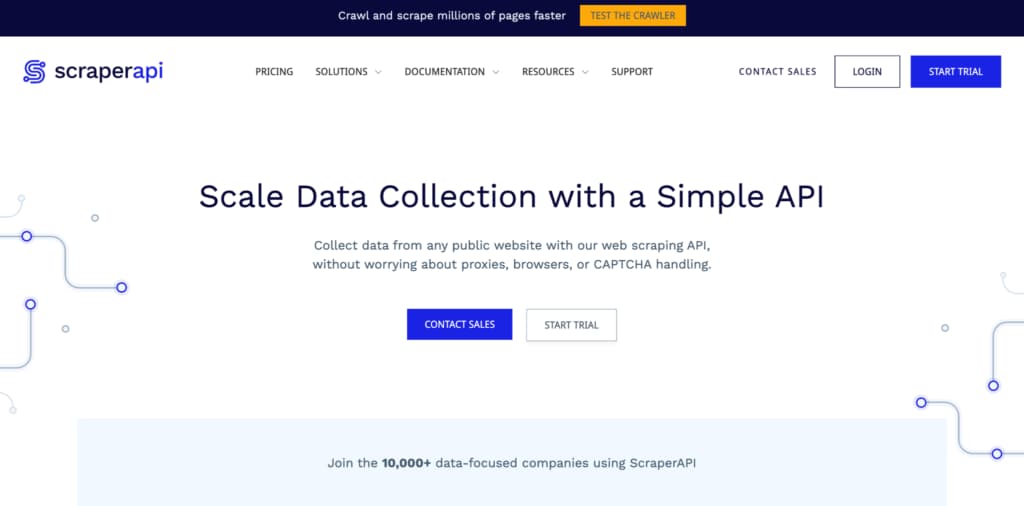
ScraperAPI provides a straightforward routing mechanism. Developers append their target URL to the ScraperAPI string. The service then handles the request.
Key Features
- Simple integration with any standard HTTP client.
- Automatic handling of basic JavaScript rendering.
- Custom headers support for session management.
Performance Metrics
The platform handles basic extraction tasks reliably. Issues arise during heavy concurrent loads. Extremely large HTML payloads occasionally cause timeout errors. ScraperAPI serves as a solid entry-level tool. It lacks the advanced AI parsing and robust infrastructure needed for complex 2026 data operations.
6. ScrapingBee
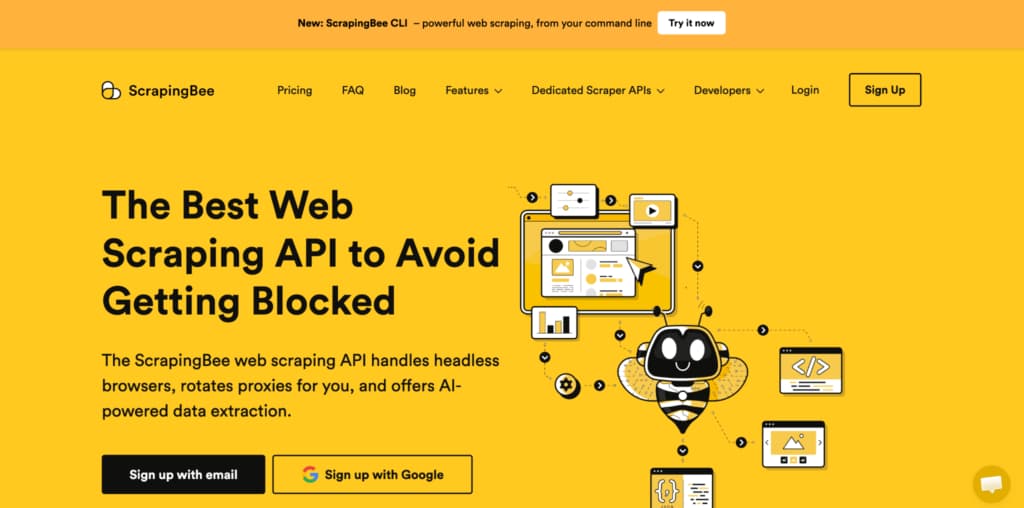
ScrapingBee focuses specifically on rendering JavaScript-heavy applications. The tool utilizes headless Chrome instances to process dynamic content before returning the raw HTML.
Technical Execution
Developers can pass custom JavaScript snippets through the API. These snippets execute on the target page before the extraction occurs. This feature allows teams to interact with drop-down menus or click buttons automatically.
Scaling Challenges
Managing headless browsers consumes significant resources. ScrapingBee limits concurrency based strictly on the subscription tier. High-volume scraping requires expensive enterprise plans. The setup process also demands careful attention to cookie management and session states. It performs well for specific rendering tasks. It is not the ideal solution for raw, high-speed data acquisition.
7. Firecrawl
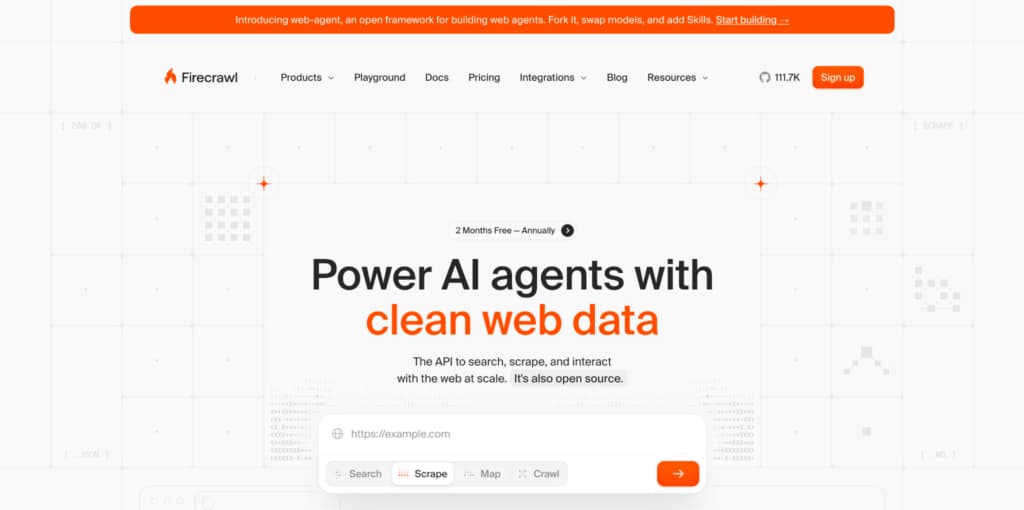
Firecrawl occupies a very specific niche in the current market. The platform converts entire web domains into clean Markdown files.
Primary Use Case
This tool exists almost entirely to feed Large Language Models. AI developers use the Markdown output to train custom models or build retrieval-augmented generation systems.
Tool Limitations
Firecrawl lacks precision. If a data team only needs a specific pricing tier from a webpage, converting the entire site to Markdown adds unnecessary processing time. The platform does not offer granular element extraction. It serves the AI training market well. It fails to meet the broader demands of traditional business intelligence and market research teams.
The Final Verdict for Engineering Teams
Selecting the right infrastructure dictates the success of any data project. Engineering teams must prioritize tools that reduce friction. Wasting hours debugging proxy configurations limits overall company growth.
The current landscape demands automation. Platforms must deliver clean data regardless of the target website’s defense mechanisms. Tools that integrate seamlessly into existing workflows provide the highest return on investment. The ability to route requests precisely across the US while automatically bypassing network obstacles defines a modern web scraping api. Tech leaders must choose platforms that handle the complexity behind the scenes. This allows their developers to focus on building features rather than fighting infrastructure battles.