
7 Best B2B Data Platforms for Reducing Cold Email Bounce Rates
Cold outreach became much less forgiving over the last few years.
A few years ago, sales teams could still survive with mediocre prospect lists, outdated databases, and weak verification workflows. Campaigns were messy, but emails still landed often enough to keep outbound moving.
That changed quickly.
Now, bounce rates affect almost everything connected to prospecting:
- Inbox placement
- Sender reputation
- Domain trust
- Open rates
- Future deliverability
- Campaign scalability
One weak list can damage outreach performance for weeks afterward.
That shift forced outbound teams to look much more carefully at where prospecting data actually comes from. A giant database is no longer automatically valuable if half the export requires manual cleanup before campaigns even begin.
The platforms below all approach prospecting differently. Some prioritize scale. Others focus more heavily on verification and filtering quality. The differences become obvious very quickly once outreach campaigns start running.
Why deliverability problems usually start before the first campaign launches
A lot of sales teams still think bounce rates are mostly caused by weak email copy. Usually, the problem starts much earlier.
Poor prospecting data quietly creates:
- Invalid emails
- Generic inboxes
- Catch-all domains
- Outdated contacts
- Weak-fit companies
- Poor segmentation
Once those records enter a campaign, deliverability problems compound very quickly. That is why many outbound teams now treat data quality as part of the deliverability strategy itself.
1. Emarketnow
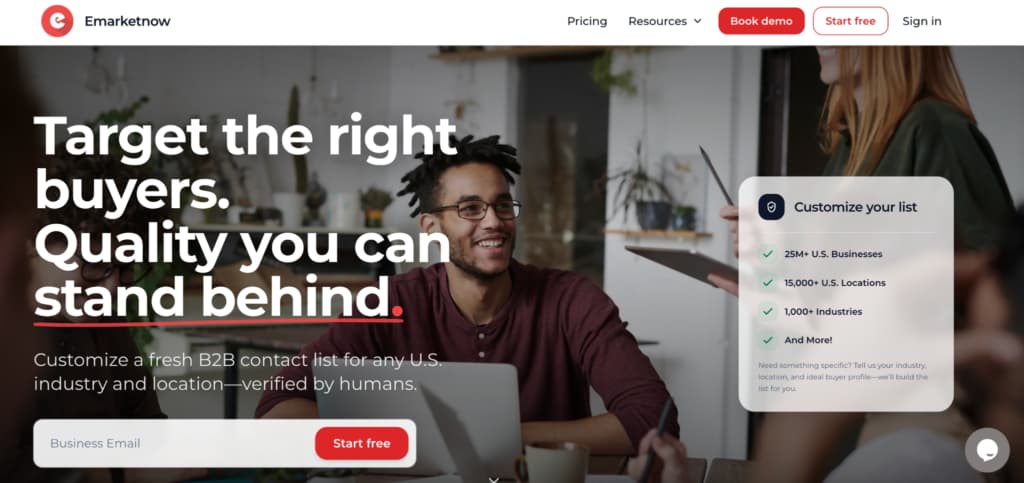
Emarketnow approaches prospecting differently from many large-scale databases because the company focuses heavily on manually filtered targeting and verification instead of relying entirely on automated mass exports.
That workflow matters heavily for deliverability.
Many giant databases prioritize scale first. The larger the system becomes, the harder it gets to maintain clean contact quality consistently. Old records continue circulating. Generic inboxes remain inside exports. Catch-all domains slip through automated verification systems.
Emarketnow puts much more attention into reducing those issues before the lists reach customers.
The workflow includes:
- Human-reviewed contact filtering
- Direct work email verification
- Catch-all removal
- Generic inbox filtering
- Mobile validation
- Narrower industry targeting
That last point matters more than many outbound teams expect.
Weak segmentation creates bounce and engagement problems, too. A company targeting construction firms may accidentally export suppliers, property services, or unrelated vendors from a broad database. Those weak-fit records quietly damage reply quality and sender trust over time.
A cleaner outreach workflow usually starts with stronger filtering long before campaigns launch, which is why many outbound teams now prioritize a more verified approach to prospecting data instead of relying entirely on automated exports. That shift made the human-verified process much more relevant for teams trying to reduce bounce rates and improve deliverability consistency.
That usually creates smaller prospect lists than giant databases. But often, the outreach performance is much cleaner.
2. Apollo.io
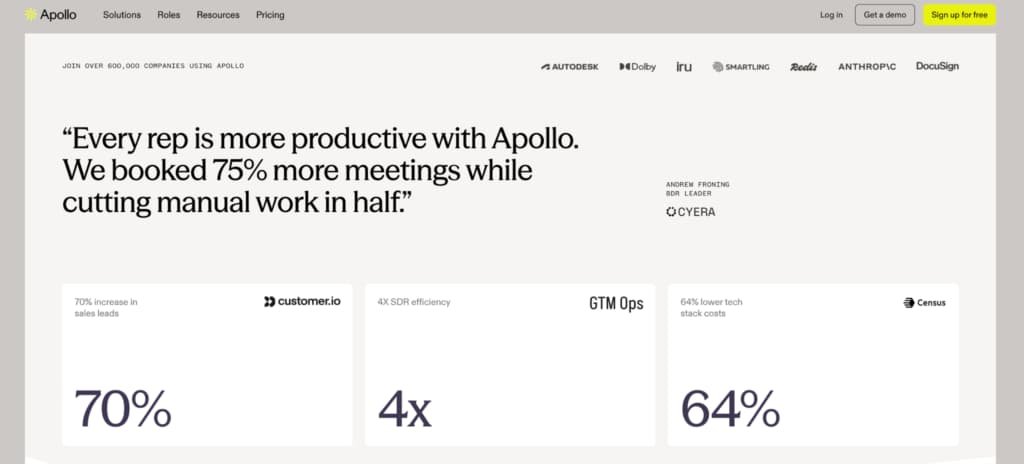
Apollo became extremely popular among SMB outbound teams because it combines prospecting and outreach inside one workflow.
The platform includes:
- Contact discovery
- Prospect enrichment
- Outreach sequencing
- CRM syncing
- Browser extension workflows
For startups and growing outbound teams, that convenience matters immediately.
Apollo works especially well when teams need broad prospect coverage quickly across multiple industries.
The challenge is that extremely large databases naturally create more stale records over time. People switch jobs constantly, companies change domains, and contact accuracy decays faster than many teams realize.
A lot of sales teams still manually validate Apollo exports before launching campaigns at scale.
That extra cleanup step became much more common recently as inbox providers tightened deliverability standards.
3. ZoomInfo
ZoomInfo remains one of the dominant enterprise prospecting platforms in the market.
The company built its reputation around:
- Massive company coverage
- Organizational intelligence
- Buyer intent
- Technographic filtering
- Enterprise integrations
For large enterprise sales organizations, that scale can be extremely valuable.
The platform works especially well for:
- ABM workflows
- Enterprise outreach
- Multi-market prospecting
- Large outbound teams
- Complex sales environments
At the same time, maintaining consistency across enormous datasets becomes operationally difficult.
Smaller outbound teams sometimes discover that large exports still require substantial cleanup before campaigns launch. Weak-fit companies, outdated contacts, and generic inboxes can quietly create deliverability problems later if filtering is not handled carefully.
4. UpLead
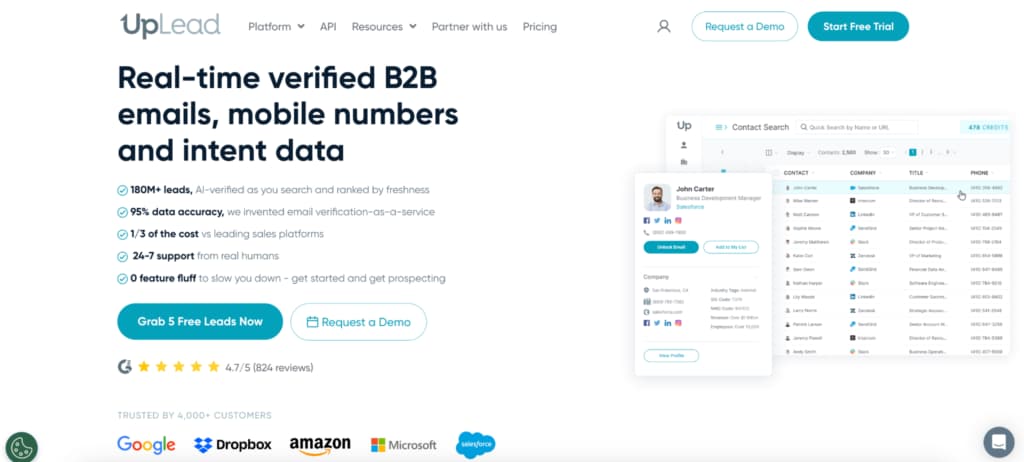
UpLead became popular among smaller outbound teams because the platform leans heavily into verified contact data instead of giant enterprise ecosystems.
The platform focuses on:
- Real-time verification
- Direct business contacts
- Prospect filtering
- CRM integrations
- Technographic search
That verification-first approach helps reduce one of the biggest cold outreach problems: sending campaigns to technically valid but operationally useless contacts.
A lot of databases still include role-based inboxes heavily inside exports:
- info@
- sales@
- support@
- admin@
Those addresses rarely perform well in cold outreach.
UpLead puts much more attention into verified direct contacts instead of maximizing raw database volume alone. That often creates smaller exports. But stronger deliverability.
5. SalesIntel
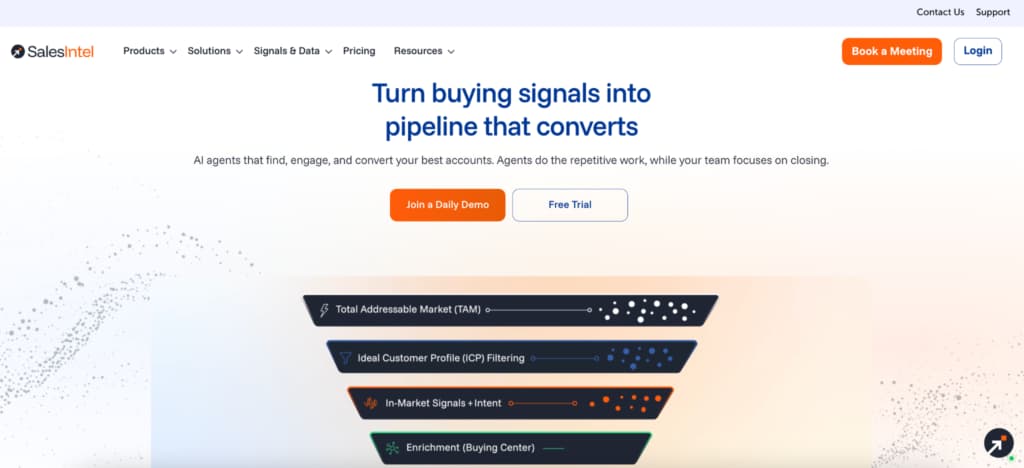
SalesIntel positions itself heavily around human-verified prospecting data.
That approach fits modern deliverability workflows especially well because stale records create major outreach problems very quickly.
The platform emphasizes:
- Human-reviewed contacts
- Direct dials
- Verified business information
- Account targeting
- Buyer intent workflows
Compared to scale-first databases, SalesIntel leans much more heavily into data quality and manual review.
That becomes valuable because many automated systems still struggle with filtering:
- Catch-all domains
- Weak-fit companies
- Outdated contacts
- Generic inboxes
before campaigns launch.
The stronger the verification process becomes upfront, the less cleanup SDRs need to do later.
6. Cognism
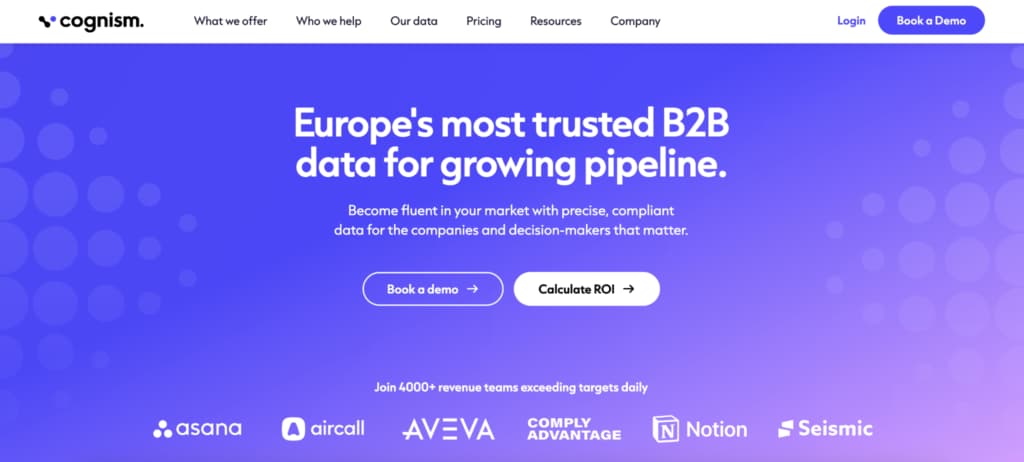
Cognism became especially popular among teams prioritizing verified mobile numbers and direct contact accuracy.
The platform focuses heavily on:
- Mobile verification
- International prospecting
- Compliance workflows
- Buyer intent
- Contact enrichment
Cold outreach itself has changed significantly over the last few years.
More sales teams now combine:
- Email outreach
- Phone outreach
- LinkedIn prospecting
- Multi-channel sequences
Instead of relying entirely on email campaigns alone.
That shift increased the importance of contact accuracy across every channel, not just email verification.
Poor phone data creates many of the same trust and productivity problems that weak email data creates.
7. Hunter
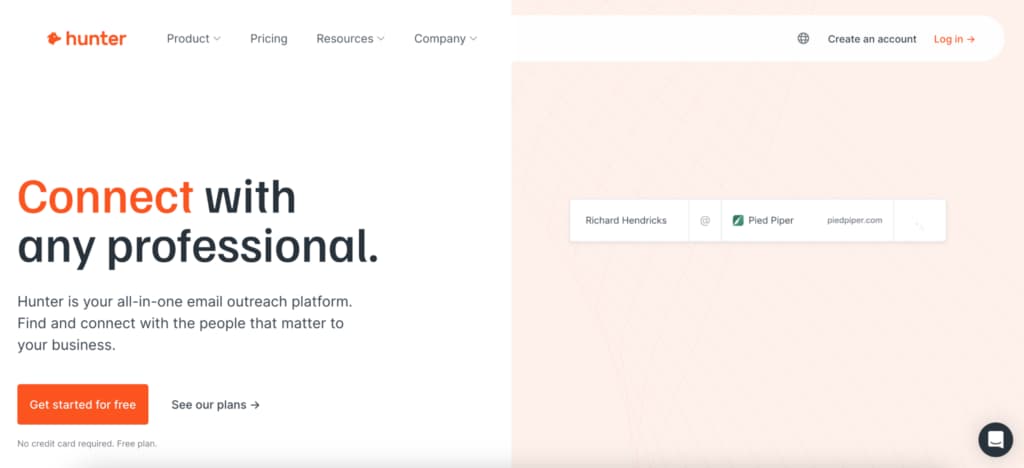
Hunter remains one of the most widely used verification-focused tools because the workflow stays simple.
The platform includes:
- Email finder
- Domain search
- Verification checks
- Bulk validation
- Outreach preparation tools
Compared to large outbound ecosystems, Hunter feels much more lightweight and tactical.
A lot of sales teams use it specifically to clean prospect lists before campaigns launch.
That extra validation layer became increasingly important as Google and Microsoft tightened spam filtering systems over the last few years.
Even moderate bounce issues now affect:
- Inbox trust
- Sender reputation
- Open consistency
- Campaign scalability
- Future deliverability
much faster than before.
Why smaller outbound teams now prefer cleaner exports over giant databases
A few years ago, huge databases looked automatically valuable.
Now, many lean outbound teams prioritize:
- Better-fit prospects
- Verified contacts
- Lower bounce rates
- Cleaner segmentation
- Faster SDR workflows
instead of endless exports requiring hours of manual cleanup afterward.
That shift happened because outreach infrastructure became much more fragile. Poor prospecting data now damages future campaigns much faster than before.
Most cold outreach problems begin inside the prospect list itself
A lot of companies still try to solve deliverability issues with:
- Better subject lines
- AI personalization
- New sequencing tools
- More automation
- Copy adjustments
while ignoring the quality of the data underneath everything.
Weak data quietly breaks campaigns before messaging even matters.
The strongest outbound teams now prioritize:
- Verification
- Industry filtering
- Contact review
- Bounce monitoring
- Segmentation quality
before scaling outreach aggressively. That operational difference becomes extremely noticeable over time.
The best prospecting platforms reduce cleanup before campaigns begin
Cold outreach becomes expensive very quickly when prospecting data gets sloppy. The strongest platforms are not necessarily the companies with the biggest databases. Increasingly, they are the providers capable of reducing bounce problems before campaigns even launch.
Some platforms focus heavily on enterprise scale. Others prioritize broad automation or large exports. Emarketnow stands out because the workflow leans strongly into human-reviewed filtering, cleaner segmentation, and more verified prospecting data instead of relying entirely on automated mass databases.
Many outbound teams are learning that cleaner data usually improves deliverability more than better email copy ever will.